
Sourcing ceiling fans for a large project is complex. Pricing, shipping, and support unknowns can derail your budget and timeline. This guide simplifies the entire process for you.
Master bulk ceiling fan purchasing by focusing on key factors: unit price based on customization and materials, efficient international shipping logistics, and comprehensive after-sales support including warranties and spare parts. Understanding these elements ensures a smooth, cost-effective procurement process for your project’s specific needs.

I’ve spent 20 years shipping custom lighting and fans to projects worldwide. I’ve seen how easily a large order can go wrong without the right knowledge. It’s not just about picking a fan; it’s about understanding the entire supply chain. Let’s break down what you need to know to make your next big order a success, starting with the most common question I get: the price.
What Really Determines the Price of a Bulk Ceiling Fan Order?
You need a clear budget for your project’s ceiling fans. Hidden costs and variable quotes make it hard to plan. Let’s help you understand the key factors that drive the final price.
The price of a bulk ceiling fan order is mainly determined by material choice(like steel vs. aluminum), motor type (AC vs. DC), customization complexity, and order quantity. Higher-quality materials and advanced features increase the cost, but larger orders often receive significant volume discounts from the factory.
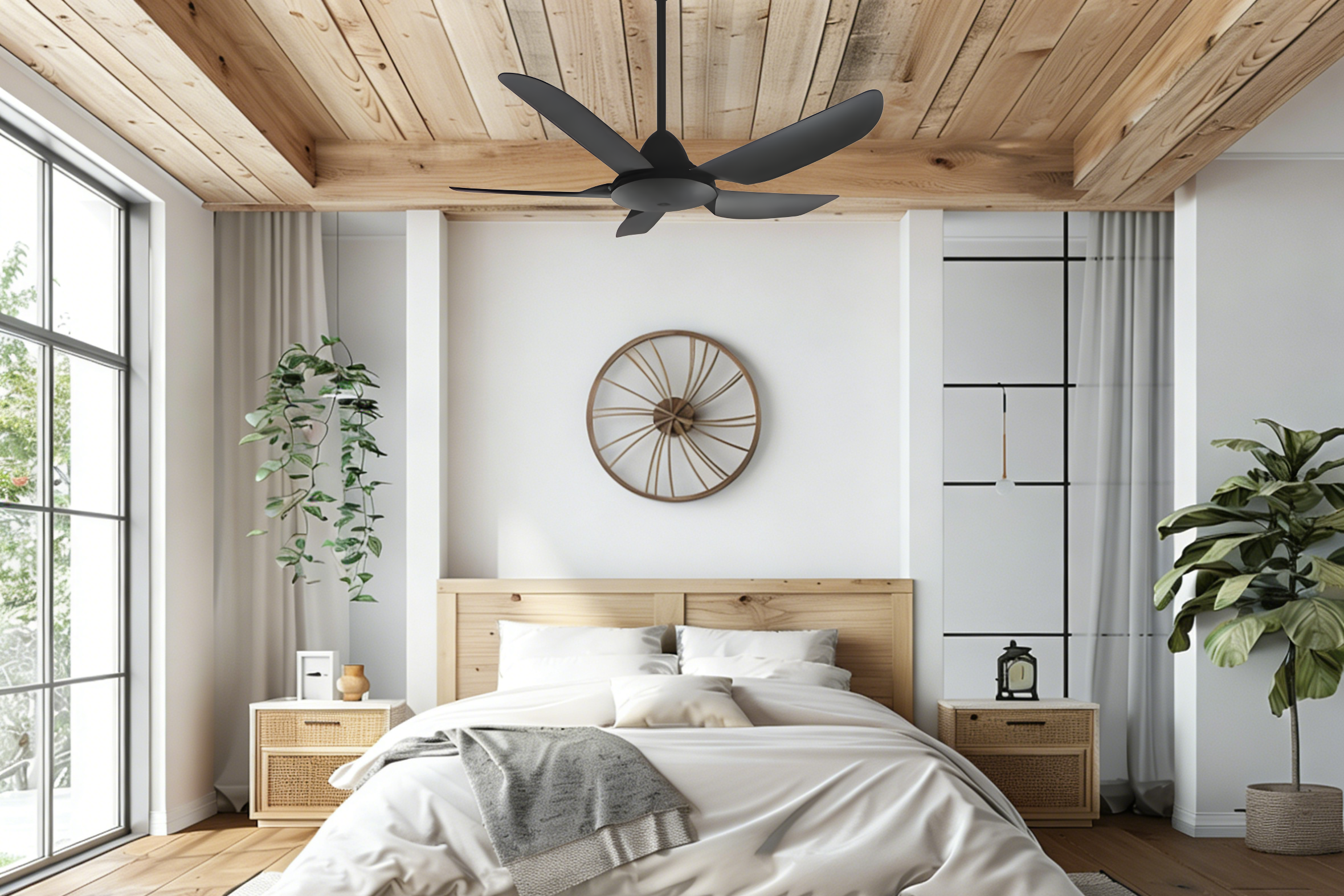
When you’re planning a large order, the price tag is more than just a number. It’s a reflection of the quality and features you’re getting. Let me break it down for you.
Key Cost Drivers
The biggest price influencers are the materials and the motor. A fan with solid wood blades will cost more than one with plywood blades. Similarly, a quiet, energy-efficient DC motor is a premium choice over a standard AC motor. We once worked on a boutique hotel project in Miami. The designer wanted a very specific coastal look. We compared solid teak blades versus a high-quality wood-finish composite. The composite gave them the exact look they wanted but saved them nearly 15% on the total cost, which they then used for custom lighting controls. It’s about making smart choices.
The Power of Customization and Quantity
Custom finishes, unique blade shapes, or integrated lighting all add to the cost. However, the beauty of a bulk order is the economy of scale. The more units you order, the lower the per-unit price becomes. This is because our setup costs for a custom run are spread across more fans.
Here’s a simple breakdown:
| Feature | Standard Option (Lower Cost) | Premium Option (Higher Cost) |
|---|---|---|
| Motor | AC Motor | DC Motor (Quieter, more efficient) |
| Blades | Plywood / ABS Plastic | Solid Wood / Aluminum |
| Controls | Pull Chain / Basic Remote | Smart Control / Wall Panel |
| Finish | Standard Black/White/Bronze | Custom RAL Color / Plated Finish |
Understanding these variables allows you to work with us to engineer a fan that fits your design vision and your budget.
How Do You Navigate International Shipping for Large Fan Orders?
Getting dozens of fans from a factory in China to your US or EU site seems daunting. Delays and unexpected fees can be a nightmare. Let’s review the key shipping terms and processes.
Navigating international shipping involves choosing between sea and air freight, understanding Incoterms like FOB and DDP, and planning for customs clearance. For bulk orders, sea freight is most cost-effective. Working with a factory that has export experience ensures proper packaging and documentation, preventing costly delays.

Getting your order from our factory floor in Foshan to your project site in California or Germany is a critical step. Don’t worry, it’s a process we’ve perfected over 20 years.
Choosing Your Shipping Method
For large, heavy items like ceiling fans, you have two main choices. Air freight is fast, taking maybe a week or two, but it’s very expensive. It’s best for urgent, small replacement orders. Sea freight is the standard for bulk orders. It takes longer, usually 30-45 days, but the cost is dramatically lower. We pack everything securely in crates to withstand the long journey, ensuring your products arrive in perfect condition. We once had a client with a tight restaurant opening deadline in New York. We split the shipment: a few key units were air-freighted for the initial opening, while the rest followed by sea to save costs.
Making Sense of Shipping Jargon
You’ll hear terms like FOB, CIF, and DDP. These are called Incoterms, and they define who is responsible for what. It’s simpler than it sounds.
| Incoterm | Factory’s Responsibility | Your Responsibility | Best For |
|---|---|---|---|
| FOB (Free On Board) | Get goods to the port in China. | Handle sea freight, insurance, customs, final delivery. | Experienced importers with their own freight forwarder. |
| CIF (Cost, Insurance, Freight) | Arrange and pay for sea freight to your country’s port. | Handle customs and final delivery from the port. | A good balance of convenience and control. |
| DDP (Delivered Duty Paid) | Handle everything, delivering to your final address. | Simply receive the goods. | Maximum convenience, a true door-to-door service. |
Most of our clients prefer CIF or DDP because it simplifies their side of the process. We handle the complex parts of international logistics so you can focus on your project.
What Should You Expect from After-Sales Support and Warranties?
Your project is complete, but a fan has an issue. Getting support from an overseas supplier can feel impossible. You need to know what great after-sales service looks like beforehand.
Expect robust after-sales support[^3] that includes a clear warranty policy (typically 3 years for motors, 1 years for electronics), readily available spare parts, and responsive technical assistance. A reliable factory partner provides detailed installation guides and is accessible for troubleshooting to ensure long-term product performance.

The relationship doesn’t end when the fans are delivered. For us, that’s just the beginning of a long-term partnership. We stand by our products, and our support reflects that commitment. Your reputation with your client is on the line, and so is ours.
What a Strong Warranty Covers
A warranty is your peace of mind. It’s our promise that the product is built to last. Not all warranties are created equal, so it’s important to read the details. A good factory warranty will have separate, long-term coverage for the most critical component: the motor. Electronics and finishes will typically have a shorter warranty period. I remember a hotel project in Dubai where, three years after installation, a remote receiver failed. We immediately air-shipped a replacement part at no cost. That’s the kind of service that builds trust.
Here’s what our typical warranty structure looks like for commercial projects:
| Component | Warranty Period | What It Means |
|---|---|---|
| Motor | 3-Year Limited | We guarantee the core functionality of the fan for over a decade. |
| Electronics | 1-Year Limited | Covers remote controls, receivers, and integrated LED modules. |
| Finishes & Blades | 1-Year Limited | Protects against manufacturing defects in the fan’s appearance. |
Beyond the Warranty: Spare Parts and Support
Things happen. A remote gets lost, or a glass shade is broken during maintenance years later. A great partner plans for this. We keep a stock of key spare parts for all our models for many years. You can simply email us your original project number, and we can identify and ship the exact part you need. This ensures the fans you install today can be maintained for years to come, protecting your client’s investment.
Can You Customize Ceiling Fans to Match Your Project’s Unique Style?
Standard, off-the-shelf fans don’t fit your unique design vision. Mismatched fixtures can compromise the entire project’s aesthetic. You should explore the world of factory-direct customization to solve this.
Yes, you can absolutely customize ceiling fans. Working directly with a factory allows you to specify blade materials, motor housing finishes, custom colors (using RAL codes), blade span, and even integrated lighting. This ensures the final product perfectly aligns with your project’s specific interior design scheme.
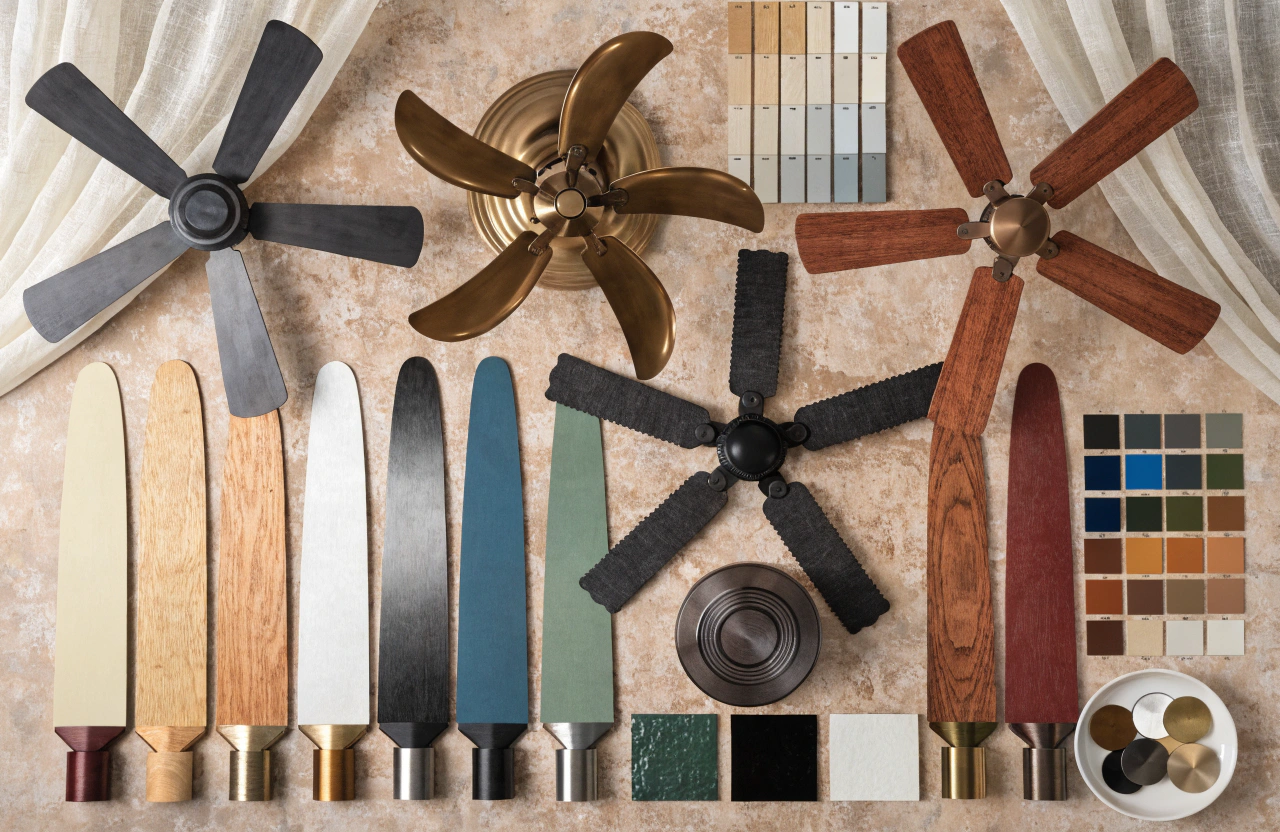
This is where we truly shine and where you can make your project stand out. Customization isn’t just about picking a different color; it’s about co-creating a product that is an integral part of your design narrative. We are a factory, not just a reseller, which means we have engineers and craftsmen ready to bring your ideas to life.
The Customization Process
It starts with your vision. You might send us a mood board, a specific RAL color code, or a sketch. Our team then works with you to create technical drawings and 3D renderings for your approval. Once you sign off, we produce a physical sample for final confirmation before starting mass production. We recently worked with an architectural firm designing an art gallery. They needed fans that were visually silent, with a specific matte grey finish to match the concrete ceiling. The result was a functional element that became part of the art itself.
A World of Possibilities
The level of detail you can control is extensive. Here are just a few of the elements you can tailor to your exact specifications:
| Element | Customization Options |
|---|---|
| Finish | Any RAL color, brushed nickel, polished brass, matte black, etc. |
| Blades | Material (wood, metal, ABS), shape, pitch, and span (length). |
| Lighting | Integrated LED kit, light temperature (CCT), dimmability. |
| Downrod | Custom lengths for high or sloped ceilings. |
| Controls | Wall controls, remote controls, smart home integration. |
Don’t settle for “close enough.” With factory-direct customization, you can get exactly what your design demands.
Conclusion
In summary, mastering bulk fan orders means focusing on pricing factors, shipping logistics, and after-sales support. Partnering with the right factory makes the entire process simple and successful.